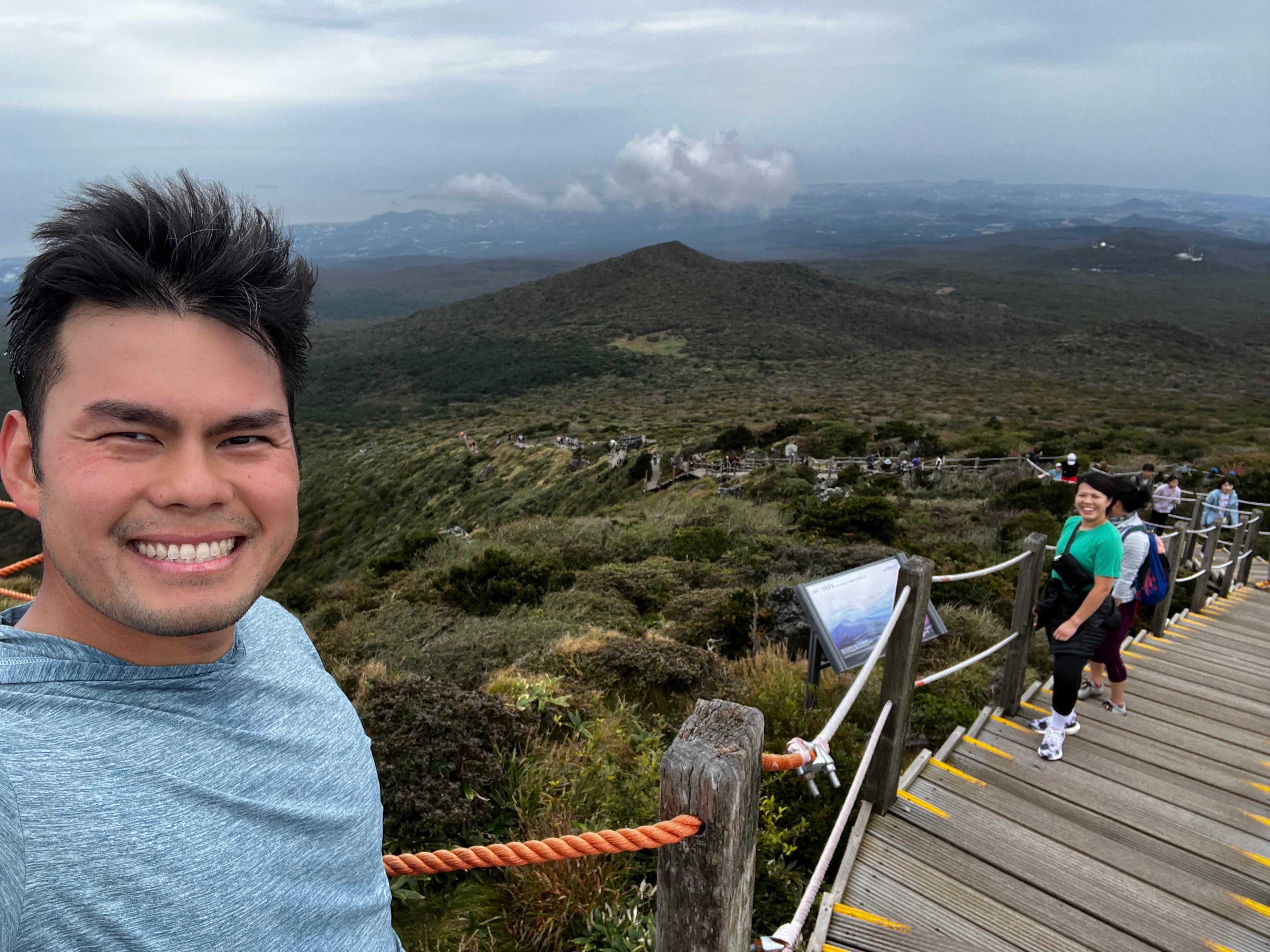
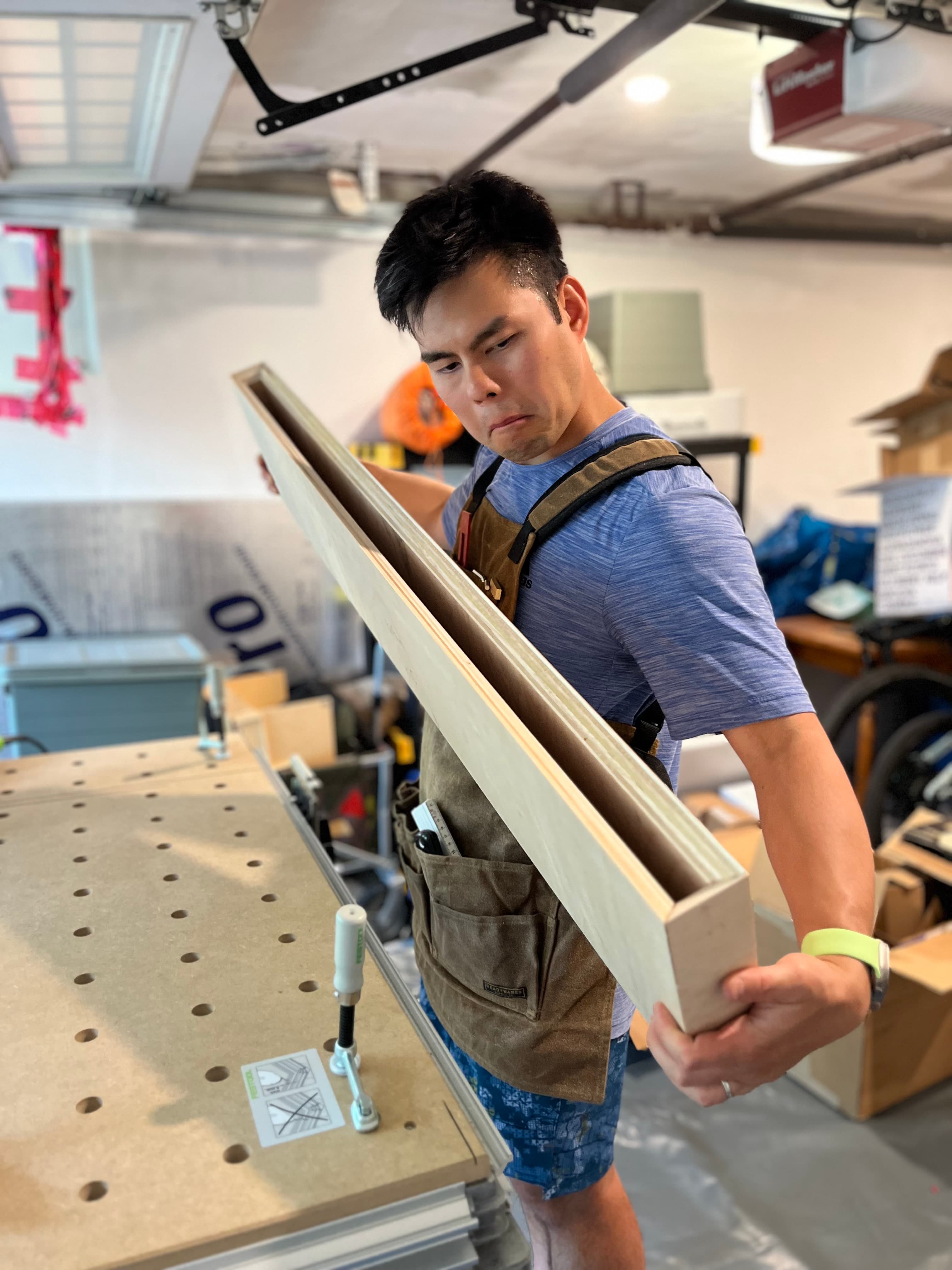
My Journey
Foundation
I started at MGH learning to ask focused questions and design experiments that could answer them. I built NGS workflows for gene fusion detection, sequenced over 1,500 clinical samples, and collaborated with Blueprint Medicines and other partners studying resistance mechanisms in glioblastoma multiforme (GBM) and solid tumors.
Tumor biology is complex and highly variable from patient to patient. That complexity taught me to question assumptions, design rigorous controls, and value data quality over speed.
Innovation
At Juno, I worked on early CAR-T discovery, building high-throughput assays to measure specificity and T-cell activation. I screened engineered constructs and compared binding and killing profiles to narrow down lead candidates. This deepened my interest in immunology.
At Intellia, I shifted to CRISPR editing, running large HSPC screens and analyzing editing outcomes that supported IP filings. Evaluating engraftment and lineage behavior in NSG models taught me that in vivo systems rarely behave as predicted.
Both roles meant adapting quickly, testing without a playbook, and adjusting as data emerged.
Translation
At Novartis, the core question changed: Can we measure whether the drug is working in patients?
I designed biomarker assays, built 32-color spectral flow panels, developed multiplex immunoassays, and transferred pharmacodynamic methods to clinical sites. I managed CRO partnerships and supported biomarker strategies across multiple adenosine-pathway programs. I also worked with bulk RNA-seq data and evaluated emerging technologies for measuring pathway engagement.
This role showed me how programs evolve once they reach the clinic. I learned how teams interpret real-time data and how those signals shape decisions about dose, timing, and program direction. I gained an end-to-end view of drug development I hadn't had before.
Convergence
Generate was where biology, generative AI, and strategic thinking merged in a meaningful way for me.
I partnered with AI/ML engineers to define biological requirements for generative models, build validation datasets, and interpret outputs for immunogenicity prediction and protein design. I explored new experimental tools, including "artificial lymph node" chip systems measuring B-cell responses to novel proteins, and collaborated on computer-vision models that classify immune activation states from microscopy.
I also began using genAI to code and automate analyses, integrating transcriptomics into bispecific ADC target discovery. Those workflows and visualizations clarified target priorities and supported strategic program decisions.
This experience showed me how much I enjoy working at intersections, bringing together experimental biology, computational tools, and strategic thinking so teams can make decisions with clarity and confidence.
What I'm Exploring Next
I'm most energized when combining deep scientific context with systems thinking and AI-powered tools to solve challenging problems.
I'm exploring opportunities where I can help teams evaluate new technologies and platforms, map competitive and scientific landscapes, and design workflows that turn scattered data into clear decisions about where to invest, partner, or build.
Whether in strategy, business development, or a hybrid technical role, I'm drawn to problems where the answer depends on understanding both the biology and the system around it.
Core Capabilities
Scientist
Immunology, oncology, cell & gene therapy · ADCs, TCEs, bispecifics, CAR-T, CRISPR · Preclinical assay development and biomarker strategy
Strategist
Competitive and IP landscape analysis · Technology assessment and due diligence · Portfolio decisions and opportunity evaluation
Builder
AI agents for business intelligence · Data analysis and visualization (Python, SQL, R) · Computational workflows for target discovery and due diligence
Why "Sonny"?
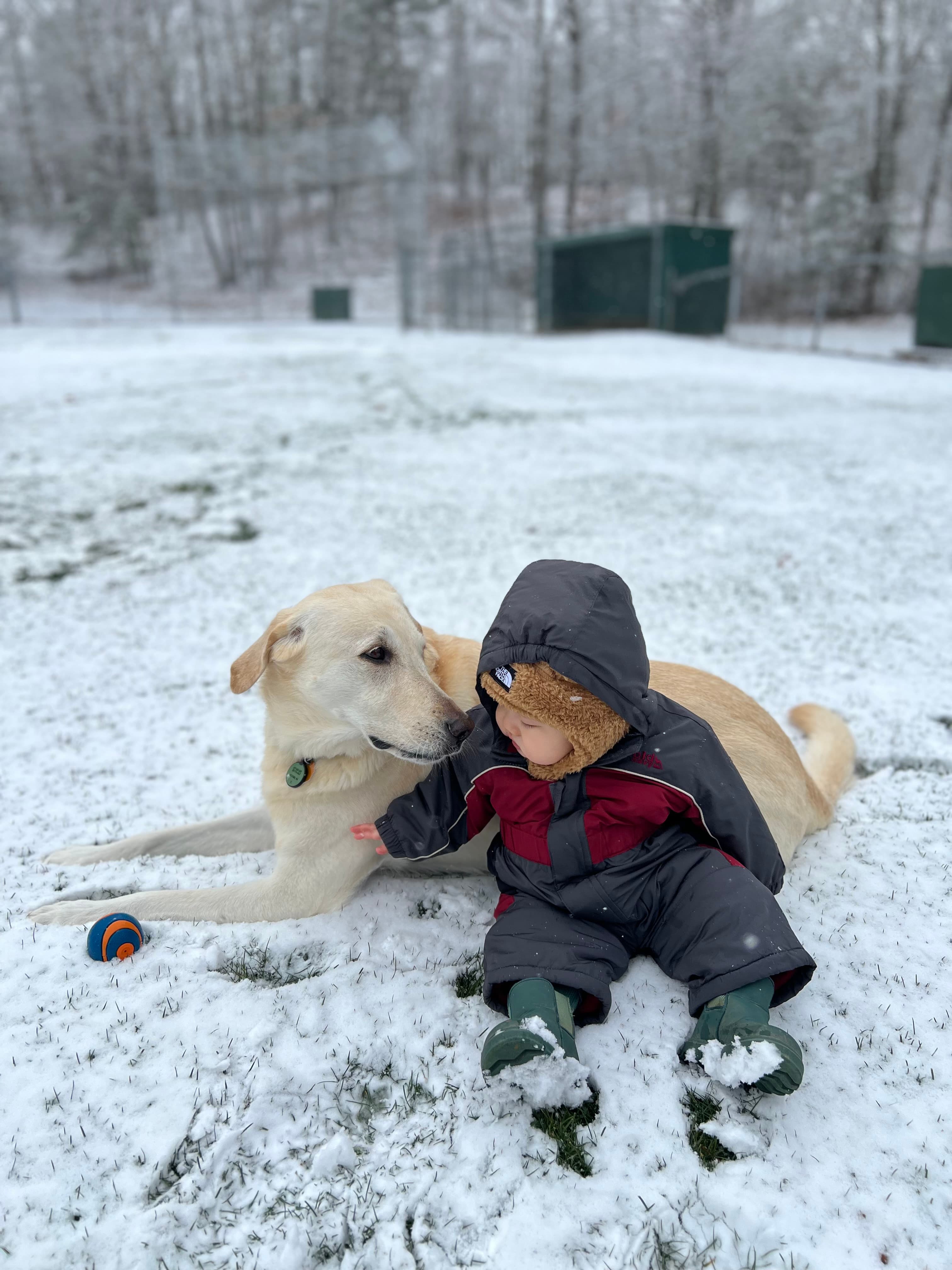
My multi-agent system is named after my son, Emerson. Building AI agents while raising a baby taught me that curiosity, iteration, and a tolerance for unexpected outputs are useful in both contexts.
Beyond Work
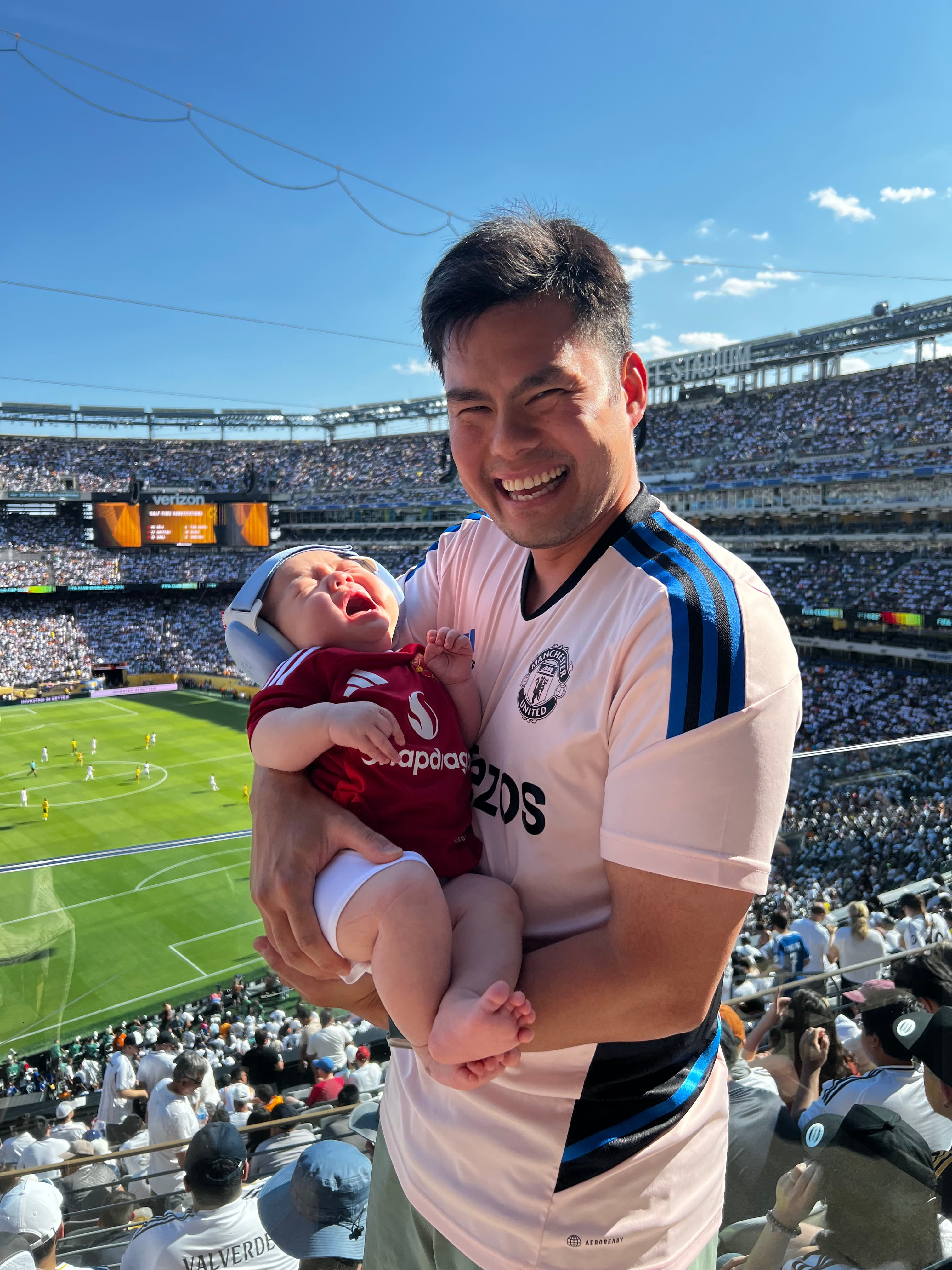
Outside of work, you'll usually find me on a soccer field or squash court, or watching Manchester United. I've been a fan since childhood, which means I've seen glory days (Fergie Time!) and, well, let's call them a "character-building decade." If that doesn't prepare you for the ups and downs of biotech, nothing will.
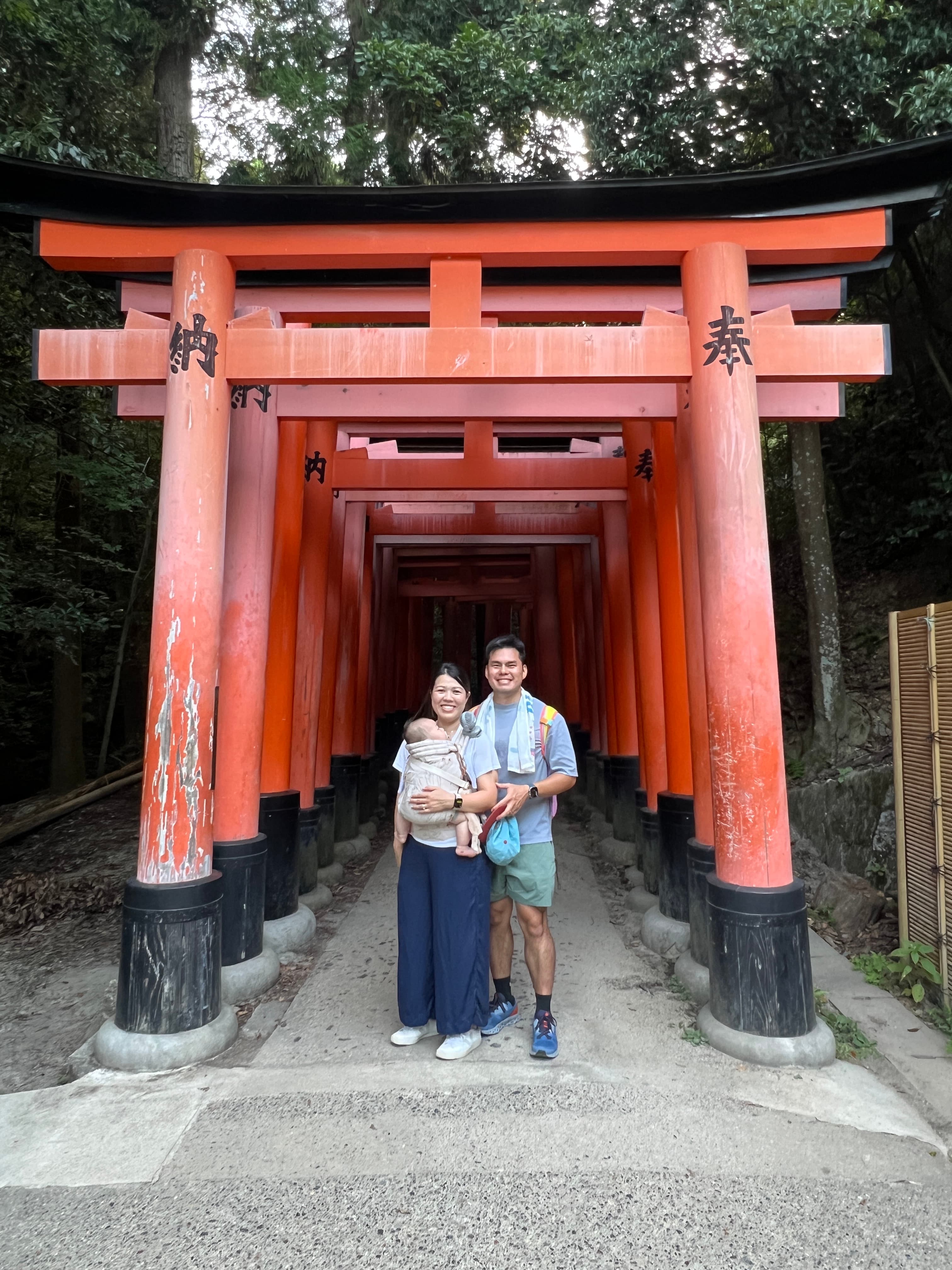
Being a parent to an 8-month-old has been the best unexpected training for this career transition. Babies teach you patience when experiments don't go as planned, adaptability when priorities shift without warning, and how to function on limited information and even less sleep. You learn to read subtle signals, iterate quickly, and trust your instincts even when the data is incomplete. Turns out those are transferable skills.
I'm genuinely excited about where AI and biology are headed, and I love building things, whether it's a new assay, a workflow that makes someone's job easier, or a multi-agent system that can tackle competitive intelligence while I sing 5 Little Monkeys. This portfolio is part of that: a space to experiment, learn in public, and show what's possible when you combine scientific depth with strategic thinking and a willingness to build.